

NuCore Adlington Hills Rigid Core LVP
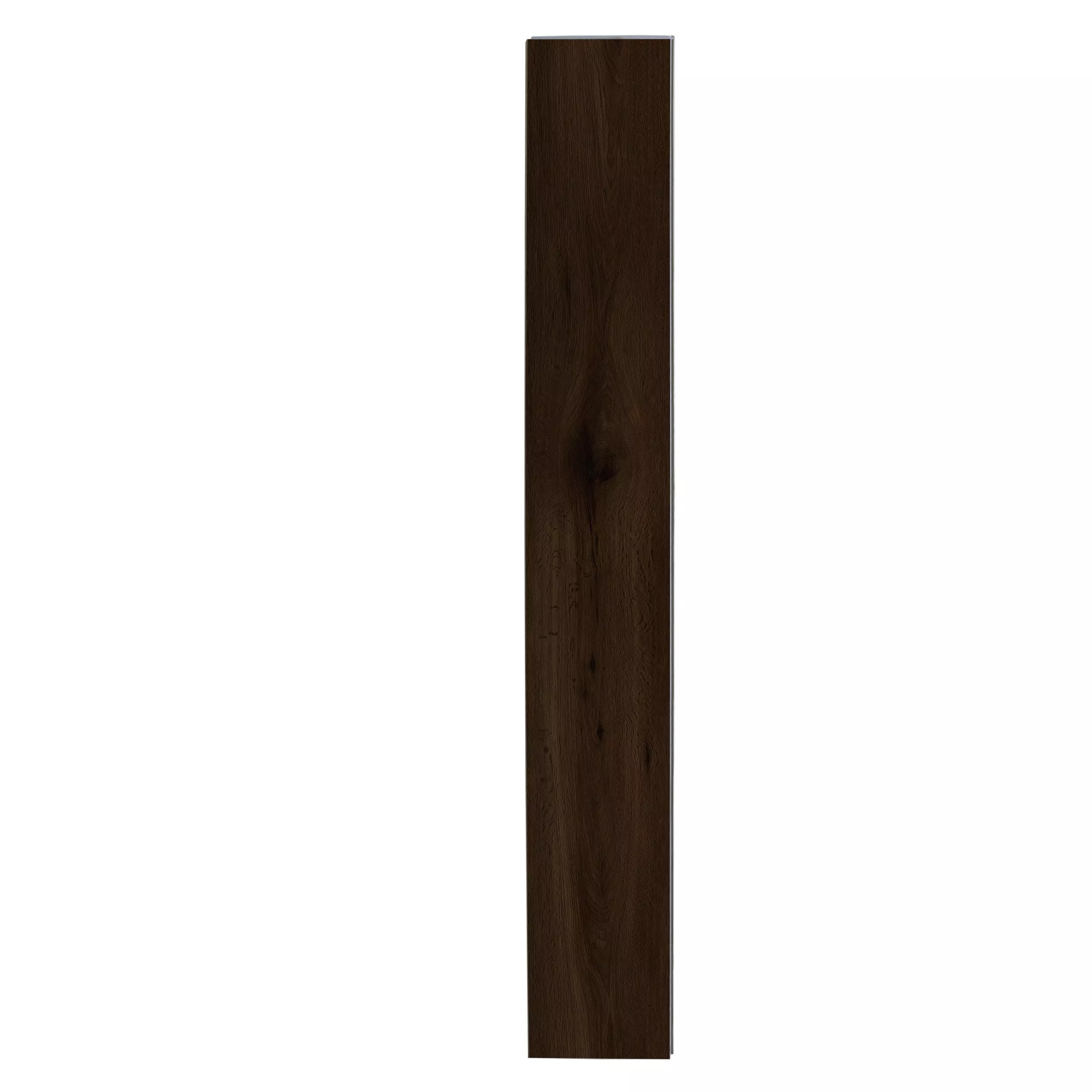
Our Adlington Hills plank brings the warm, varied grain of European oak into kitchens, bathrooms, and basements where solid hardwood can’t go. The rigid core construction sits flat over minor subfloor imperfections without telegraphing every dip and ridge.

Construction & performance specs
Rigid core construction & subfloor tolerance
The stone-plastic composite core in NuCore Adlington Hills holds its shape over uneven concrete and plywood that would buckle traditional vinyl. Minor subfloor variations up to 3/16 inch over ten feet won’t telegraph through the plank surface.
Waterproof performance in wet areas
Every layer in this plank — from the SPC core through the wear surface — is fully waterproof, so standing water from overflowing sinks or bathtub splashes won’t damage the floor. We’ve installed Adlington Hills in full bathrooms, laundry rooms, and basement rec rooms where occasional flooding is a real possibility.
More waterproof luxury vinyl planks from NuCore
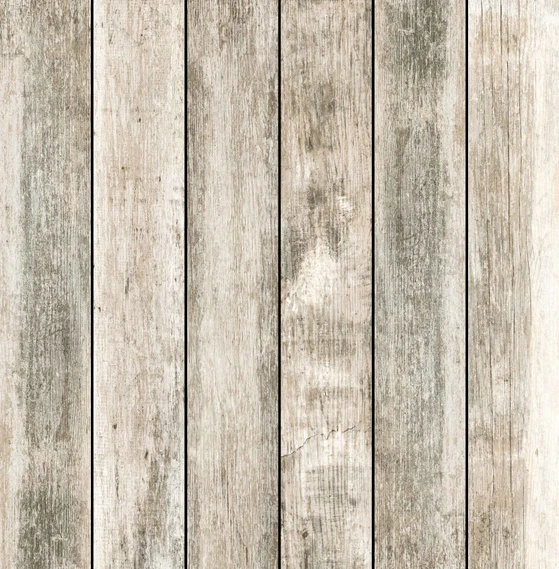
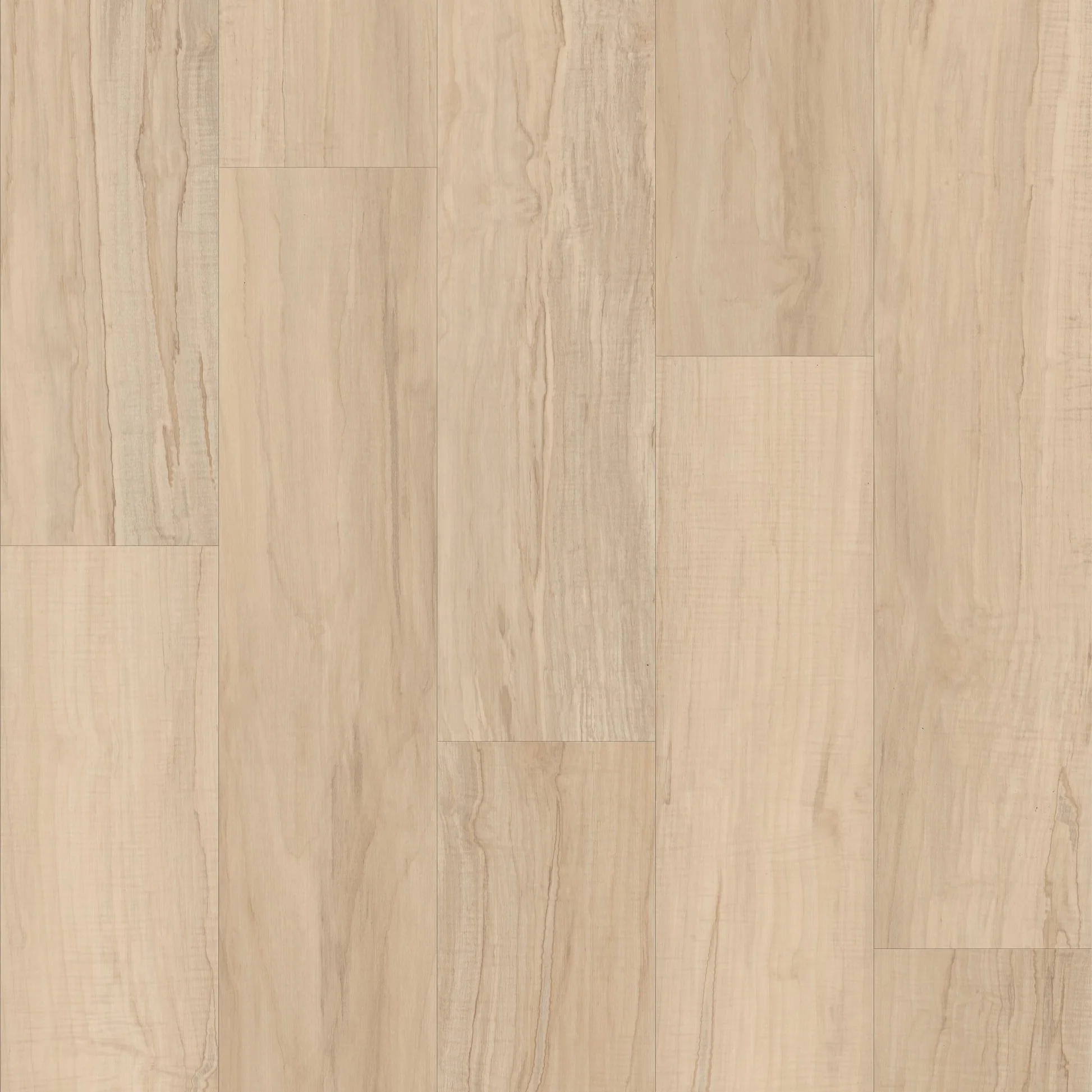
Common questions about Adlington Hills flooring
Yes, Adlington Hills is compatible with radiant heat as long as the surface temperature stays below 85°F. The rigid SPC core won’t warp or gap under consistent low heat.
We recommend running the system for a few days before installation to stabilize the subfloor temperature, then turning it off during the actual install. Once the floor is down, bring the heat back up gradually over 48 hours to avoid thermal shock.
Our 0.3 mm wear layer sits in the mid-range for residential LVP products. It handles normal household traffic including pets and furniture, but isn’t rated for commercial applications.
For heavier use — like a home gym or rental property with high turnover — you might consider a 0.5 mm or 0.7 mm wear layer product. For typical living rooms, bedrooms, and kitchens, the 0.3 mm layer provides years of service before showing wear patterns.
Yes, leave a quarter-inch gap at all walls, cabinets, and fixed obstacles. While the rigid core is more dimensionally stable than flexible vinyl, seasonal temperature swings can still cause minor expansion.
Cover the gap with baseboard or quarter-round trim. In rooms longer than 40 feet, add a transition strip at the midpoint to allow for independent movement in each section.
The subfloor must be clean, dry, and level within 3/16 inch over ten feet. Sweep away all dust and debris, and fill any cracks or low spots with floor patch compound.
For concrete slabs, run a moisture test to confirm the slab is cured and not actively wicking water. Over wood subfloors, ensure all panels are screwed down tight and there’s no bounce or deflection when you walk across the room.
Absolutely — the waterproof construction makes it ideal for full bathrooms. We’ve installed it right up to tub bases and shower curbs with no water damage.
For extra protection in true wet zones, run a bead of silicone caulk along the seams near the tub and at the wall perimeter. This prevents surface water from seeping into the subfloor through the expansion gap.
Adlington Hills reads as a medium brown with warm honey undertones. It pairs well with natural oak trim or stained woodwork in the chestnut-to-walnut range.
If you’re painting trim, a warm taupe or greige works beautifully to bridge the floor and wall colors. Bring a sample plank to the paint store to test swatches in your actual room lighting before committing to a full gallon.
Rigid core planks like Adlington Hills use a stone-plastic composite that won’t bend or flex, so they bridge minor subfloor imperfections without telegraphing every bump. Traditional flexible vinyl conforms to the subfloor profile, which means you’ll feel and see every dip if the substrate isn’t perfectly smooth.
Rigid core also handles temperature swings better and feels more solid underfoot, though it costs slightly more per square foot than flexible vinyl.